

Credo
Most of us know what we don’t believe. Christian faith is harder to get hold of. The words are familiar, God, Jesus, Spirit, prayer, church, but what do they actually mean, and could they mean anything for me?
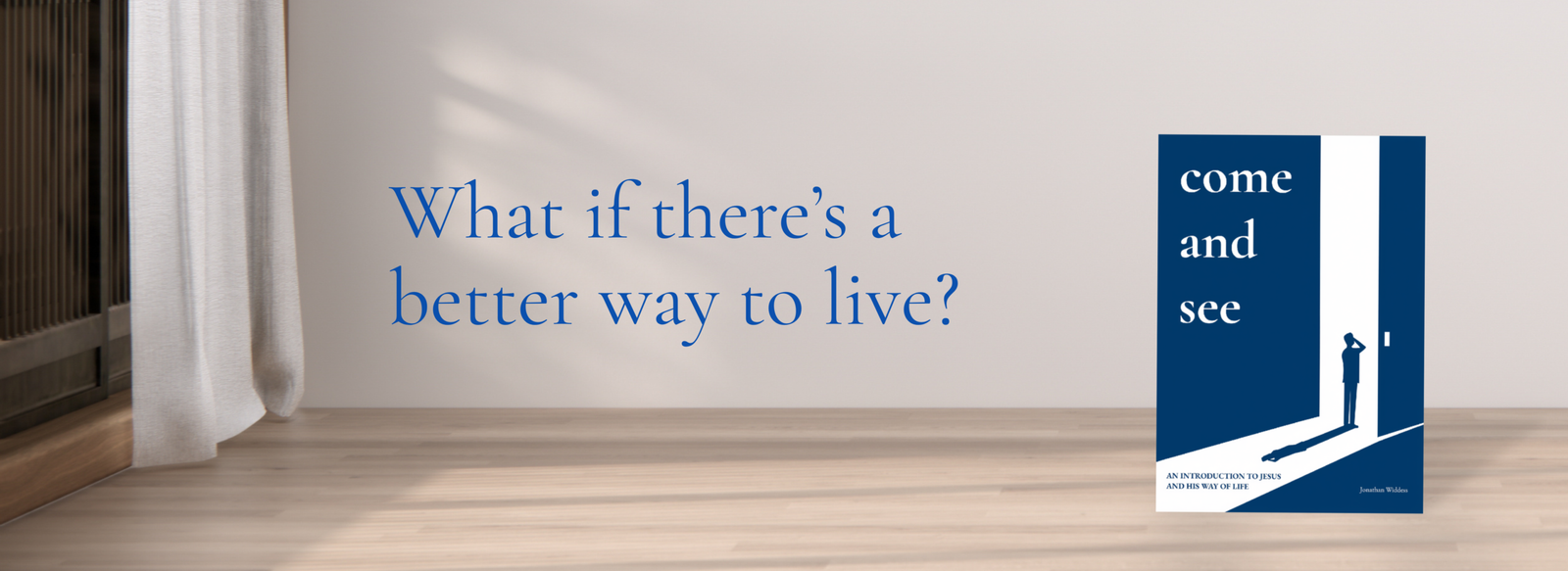
If you’d rather start with something shorter first, Come and See is a short book that makes a good first step.
Credo is six weekly sessions to find out. Each week brings a short talk, honest discussion, and a simple practice to try through the week ahead. Nothing to prepare, nothing to get right.

Who It’s For
- Anyone who’s never been to church but is curious
- Anyone who left church years ago and wonders whether they could come back
- Anyone newer to faith who wants proper foundations
- Anyone who’s gone to church for years but never quite had it explained
You don’t need to believe anything to start. Come with questions. Come with doubts. Come willing to explore.
The Six Weeks
Week One: God Who Seeks
God’s character is one who seeks and finds. We don’t earn God’s love, we receive it. Jesus told the story of a shepherd who leaves ninety-nine sheep to search for the one that’s lost, and carries it home. Everything else in the course grows from that picture.
Practice: the Daily Pause — three times a day, thirty seconds to notice God is here.
Week Two: The Light of the World
Who Jesus is, and what it means that God became human. Jesus shows us what God is actually like. We look at the story of Bartimaeus, blind by the roadside, the crowd telling him to be quiet, and Jesus stopping to ask what he wants.
Practice: Walking with the Gospels — a chapter of Mark each day, read slowly.
Week Three: The Cross and Resurrection
The heart of the Christian story. The cross as God going all the way into the darkness with us, the resurrection as new life breaking through on the other side. Death isn’t the end, and new life is possible now, not only later.
Practice: the Examen — five quiet minutes each evening, looking back over the day with God.

Week Four: The Holy Spirit
Jesus promised not to leave us on our own. We look at the Spirit as breath, as advocate, as fire, and what it means that God is present in ordinary, everyday moments, closer than our own breathing.
Practice: Breath Prayer — “Come, Holy Spirit, fill me now,” woven into the day.
Week Five: The Conversation
Prayer and scripture as two sides of one conversation: we speak to God through prayer, and God speaks to us through scripture. We look at the Lord’s Prayer as a map for that conversation, and what to do when prayer feels empty.
Practice: Lectio Divina — reading a psalm slowly, in four simple movements.
Week Six: Coming Home
The course began with a shepherd carrying a lost sheep home. It ends with a father running to meet a son who’s coming back, the same story from two directions. This isn’t a self-improvement course. It’s an invitation home, to a love that was never withdrawn.
Practice: Generous Living — one deliberate act of generosity, offered to God before it’s given.
After Credo
By the end, you’ll have six small practices in hand: the Daily Pause, a Gospel reading habit, the Examen, Breath Prayer, Lectio Divina, and Generous Living. Some people use these to write a short, honest Rule of Life, a simple page covering how they’ll pray, read scripture, and live generously, revisited every few months.
For those who want to go further, there’s a natural next step looking at how to live this out day to day. Others simply carry on in the life of a church, or find a place to serve, and some go on to help lead a future Credo course themselves.
When and Where
Our next course begins in autumn 2026. If you are interested, please let us know here:
You must be logged in to post a comment.